List of municipal flags of Tōhoku region
This page lists the municipal flags of Tōhoku region, Japan. It is a part of the List of Japanese municipal flags, which is split into regions due to its size.
Complete lists of Japanese municipal flags pages

- List of municipal flags of Hokkaidō
- List of municipal flags of Tōhoku region
- List of municipal flags of Kantō region
- List of municipal flags of Chūbu region
- List of municipal flags of Kansai region
- List of municipal flags of Chūgoku region
- List of municipal flags of Shikoku
- List of municipal flags of Kyūshū
Aomori Prefecture
Cities
| Municipality | Flag | Emblem | Enactment Date | Description | Ref. |
|---|---|---|---|---|---|
| Aomori |  |
.svg.png) |
Enactment: April 1901 Specification: 26 July 1972 Inheritance: 27 April 2005 Flag: 12 May 2005 |
A white flag with a green and blue stylized "ao" (青). White represents cleanliness, blue for Mutsu Bay and the moon and green for the stars. The emblem is a representation of the Polaris star and represents the city's location in Aomori Prefecture, the northernmost prefecture of Honshu. | [1] |
| Goshogawara |  |
 |
1 July 2005 | A yellow flag with a styled "G". The blue crescent (symbolizing the Sea of Japan, Lake Juso, and the Iwaki River), a green arrow (for the Tsugaru Plain) and a red circle (for apples and the sun). The emblem as a whole represent humanity and nature through the spoils of riches of livelihood and mobility. | [3] |
| Hachinohe |  |
 |
27 August 1937 | A white flag with a red or blue stylized "hachi" (八). Inside sits a red stylized "nohe" (戸) in the form of a crane to represent development. The emblem contains the "Mukaizuru" crest, the crest of the Nanbu clan. They are adopted through a contest. | [4] |
| Hirakawa | .svg.png) |
 |
1 January 2006 | A white flag with a forest green, lime green, and red emblem in the form of a stylized hi (ひ). The greens represent nature while the red dot represents the sun. The emblem also evokes images of "abundant nature," "rich harvest (apples)," and "energetic citizens," and is a friendly symbol of the city and its citizens leaping forward into the future. | [5] |
| Hirosaki |  |
 |
Enactment: 14 June 1900 Inheritance: 15 November 2006 |
A white flag with a red Buddhist cross. This cross was used by the Tsugaru Domain to represent peace and merit and it is a sign of good fortune and virtue. | [6] |
| Kuroishi |  |
 |
1 April 1889 | A blue flag with a white emblem. The flag and the emblem is the Kuroishi Domain's flag and alternate crest. The town emblem, which Kuroishi Town used from 1889, has remained in use since the town was incorporated as a city. It is said that as far back as China's Spring and Autumn Period (approximately 2,500 years ago), the futsu (star) was one of the 12 rank symbols used on official uniforms. The Kuroishi Domain's crest incorporated the family crest, the five-leaf peony, and the alternate crest, "futsu" (ふつ). "futsu" was also used on the flag. This pattern was embroidered on the formal uniforms of ancient Chinese officials, and "futsu" was one of the 12 ranks, representing the feudal lord class. The pattern is said to have been directly translated into Japanese characters, and is written as "futsu." It means "a formal uniform pattern with the characters for "self" or "bow" facing back to back." "Futsu" also means "a subject's turning away from evil and turning toward good," and is said to be seen on King Enma's formal uniform. Based on these facts, the most likely theory is that the founder of the domain, Lord Nobuhide, used the "Futsu" design, which features two bows, a symbol of the samurai class, back to back, as the curtain crest, alternate crest, and flag emblem. | [7] |
| Misawa |  |
 |
Enactment: 1916 Inheritance: 25 November 1958 Flag: 1 September 1988 |
A green flag with a gold emblem. The emblem is three "sa" (サ) arranged in a circle, meaning "Misawa." The arrows are decorated with pine needles, a natural resource. It was designed by Kitamura Kaname in 1916. | [8] |
| Mutsu |  |
 |
Emblem: 1 November 1960 Flag: 19 December 2008 |
A purple flag with a white emblem. The emblem is a stylized version of the hiragana character "Mutsu" (むつ), symbolizing harmony and rapid development. | [9] |
| Towada |  |
 |
14 March 2005 | A white flag with a blue and green emblem. The blue part at the top of the emblem is designed to resemble Lake Towada, representing abundant, clean water, while the green part at the bottom represents rich, fresh nature. | [10] |
| Tsugaru |  |
 |
11 February 2005 | A white flag with an emblem. The emblem is a stylized version of the first letter of Tsugaru City's name, "tsu" (つ), and depicts ripe rice ears and the beautiful waves of the Sea of Japan. The number of ovals representing rice and wave spray refers to the five former towns and villages. It symbolizes the harmonious development of the city in harmony with nature. | [11] |
Towns and villages
| Municipality | Flag | Emblem | Enactment Date | Description | Ref. |
|---|---|---|---|---|---|
| Ajigasawa |  |
 |
10 May 1977 | A blue flag with a white emblem. The emblem is the town's name in stylized hiragana (あじがさわ). The circle (which is a "wa/わ") represents harmony and the "a" (あ) and the "sa" (さ) represents development. | [12] |
| Fujisaki |  |
 |
Enactment: March 1972 Inheritance: 21 September 2005 |
A white flag with a stylized "F". Red stands for the apples and passion, yellow for rice and peace and purple for swans and proudness. Designed by Mr. Ishizawa from Aomori. | [14] |
| Fukaura |  |
 |
31 March 2005 | A purple flag with a white emblem. The emblem consists of a stylized "fu" (フ) being surrounded by a wave to symbolize harmonious development through unity. | [16] |
| Gonohe |  |
 |
1 July 1961 | A green flag with a white emblem. The emblem is the town's name in white stylized kanji (五戸). It symbolizes unity through development. | [18] |
| Hashikami | .svg.png) |
 |
1 August 1964 | A blue flag with an emblem. The emblem features the character for "kami" (上上) and the character for "hashi" (上) placed on top of it, symbolizing a desire for a life that is always on the upswing, and the circle symbolizes peace and cooperation. It is one of selected works that was solicited from townspeople. | [20] |
| Higashidōri |  |
 |
1 October 1973 | A white flag with a green emblem. The emblem is based on the topography of Higashidori, symbolizes the harmony between nature and life, the leap in industrial culture, and the village's boundless future development. Designed by Noriko Kubota. | [21] |
| Hiranai |  |
 |
22 March 1963 | A green flag with a white emblem. The emblem combines the flat area of Hiranai with a swan shaped in a "hira" (平), surrounded by camellia flowers, and the swan's wings represent constant construction and rapid development. | |
| Imabetsu |  |
 |
25 December 1965 | A green flag with a white emblem. The emblem is a stylized version of the characters "Imabe," with "ima" (今) surrounded by a circle, and "betsu" (別) representing the will of the townspeople to strive for pure and righteous harmony, as well as the three routes of railway, highway, and pedestrians that connect Honshu and Hokkaido through the Seikan Tunnel. The design is typical of Imabetsu, the town at the entrance to the Seikan Tunnel. | [22] |
| Inakadate |  |
 |
15 August 1959 | A purple flag with a white emblem. The circle, which symbolizes unity and harmony, contains the character for rice field (田), which is also the initial letter of Inakadate and represents the image of a village with ripening ears of rice, and above it is a castle that tells the story of the village's history. The design was created in 1959, after being selected from a public competition, and was created by Takagi Haruo, who was working at Kawabe Elementary School at the time. | [23] |
| Itayanagi |  |
 |
5 January 1965 | A maroon flag with a white emblem. The "I" (イ) of the willow tree is depicted as an apple, the town's main product, and is expressed in a beautiful, unconventional style, symbolizing the town's rapid development and the harmony and unity of its residents. It was established on 5 January 1965 to commemorate the 10th anniversary of the merger of the town and village. | [24] |
| Kazamaura |  |
 |
14 May 1971 | A white flag with a green emblem. The emblem represents the three characters of Kazamaura, with circles representing the village's resources of tourism, fisheries, and forestry, and is designed to represent the village's development based on these three. | [25] |
| Nakadomari |  |
 |
28 March 2005 | A white flag with an emblem. Based on the character "naka" (中), the logo symbolizes people active in the midst of abundant nature. Orange represents the sun, blue the sea and sky, and green the land, representing the town of Nakadomari blessed with nature. | [26] |
| Nanbu |  |
 |
1 January 2006 | A white flag with an emblem. The emblem is based on the lush greenery of Mount Nakui and the pure flow of the Mabechi River, two things that Nanbu is proud of. The two red circles represent the bountiful harvest of agricultural products and symbolize the future vision of the town, which develops in harmony with people and nature. | [27] |
| Nishimeya |  |
 |
14 December 1966 | A green flag with a white emblem. The design is a stylized version of the initial letter "nishi" (にし), and features a dove, a symbol of peace, with the wings symbolizing the village's boundless growth and development. | |
| Noheji |  |
 |
24 November 1961 | A purple flag with a white emblem. The emblem represents the character "no" (の), which is the initial letter of Noheji, and also includes a wave crest, which is reminiscent of progress, and expresses progress, development, and unity. | [28] |
| Oirase |  |
 |
1 March 2006 | A white flags with an emblem. The characters for the town's name themselves were designed to take advantage of the softness of hiragana, and the circle represents the cooperation of the townspeople. The green represents the image of a rural town with a rich natural environment and a friendly atmosphere, the blue represents the clear waters of the Oirase River and the powerful Pacific Ocean, and the red represents the vitality of the residents. | [29] |
| Ōma |  |
 |
25 August 1966 | A blue flag with a white emblem. The three "ō" (大) symbolizes the three settlements that make up Oma Town (Oma, Okudo, and Zaimoku), and represents harmony and unity. | [30] |
| Ōwani |  |
 |
1 July 1964 | A purple flag with a white emblem. The "ō" (大) represents the town's rapid development, and the two rings represent crocodiles, representing harmony and unity. | |
| Rokkasho |  |
 |
9 February 1966 | A green flag with a white emblem. The emblem is a stylized version of the number six (六), with the upper part representing rapid progress and development, and the two lines at the bottom powerfully expressing harmony among the villagers. | [31] |
| Rokunohe |  |
 |
1 October 1960 | A green flag with a white emblem. The emblem, which symbolizes the development of a bright and prosperous town, is a design made up of the six "to" (戸) from the six towns of Rokunohe, each holding hands and representing great progress. Designed by Mitsuyuki Yaegashi. | [32] |
| Sai |  |
 |
Emblem: 18 July 1972 Flag: 14 May 1971 |
A white flag with a blue emblem. The emblem is a modern take on the initial letter "sa" (さ), with the thick circle representing the harmony and unity of the villagers, and the shape of Asuka symbolizing the rapid development of the village in areas such as industry and culture. | [33] |
| Sannohe |  |
 |
Emblem: 20 March 1955 Flag: 1 October 1977 |
The flag features the emblem on its front, and the three colors of light green, orange, and crimson represent the youthfulness and energetic passion of Sannohe as it moves toward the future, symbolizing the overall development of Sannohe. | [34] |
| Shichinohe |  |
 |
8 September 2005 | A green flag with an emblem. The new town of Shichinohe was born from the merger of Shichinohe and Tenmabayashi. The symbol mark that represents the image of the town is based on the character "shichi" (七), which combines the "te" (て) of Tenmabayashi and the "shi" (し) of Shichinohe, and was created based on the concept that the two will come together to create the town. Furthermore, it embodies the spirit of aiming to revitalize and develop the town by appealing to the shape of the "shichi." | [35] |
| Shingō |  |
 |
26 March 1973 | A green flag with a white emblem. The emblem of is a combination of the two characters "shi" (し) and "n" (ん), which represent progress, leaps, and peace, with the meaning of spreading one's wings wide into the sky like a bird. | [36] |
| Sotogahama |  |
 |
28 March 2005 | A white flag with an emblem. Using the character "so" (そ) as a motif, the lush green peninsula, the blue sea, and the merger of the three towns and villages are carried by three powerful winds, expressing new town development and leaps forward. | [37] |
| Takko |  |
 |
4 April 1935 | A green flag with a white emblem. The emblem was conceived by the late Nobuzo Sato. The idea for the emblem came from the wheels of the town buses that were in operation at the time, and it embodies the desire for the wheels to continue rotating endlessly as the town grows and opens up. | [38] |
| Tōhoku |  |
 |
2 September 2005 | A white flag with an emblem. The green earth, which represents the character "to" (と), and Lake Ogawara, which represents the character "u" (う), connected to the Pacific Ocean by the Takasegawa Floodway, represent the northeastern location, hope, and dynamism. The circle in the middle represents an image of harmony and the "monument of the center of Japan," signifying the richness of culture. | [39] |
| Tsuruta |  |
 |
Emblem: 8 August 1956 Flag: 27 June 1997 |
A green flag with a white emblem. The upper half of the circle is a stylized katakana character "tsu" (ツ) and the lower half is a stylized "ru" (ル), symbolizing a crane. | [40] |
| Yokohama | .svg.png) |
 |
September 1970 | A blue flag with an emblem. The emblem is a stylized version of the "yo" (よ) with large and small circles representing harmony, unity, and peace, and the tip of the "yo" (よ) representing limitless progress and development into the future. | [41] |
| Yomogita | .svg.png) |
 |
1 July 1980 | A green flag with a white emblem. The emblem is a stylized version of the initial letter "yo" (ヨ), with three pointed lines, the bottom representing the past (ancestors), the middle representing the present, and the long line on top representing the future (youth), representing limitless development and the strength and harmony of a pine needle. | [42] |
Historical
| Municipality | Flag | Emblem | Enactment Date Abolition Date |
Description | Ref. |
|---|---|---|---|---|---|
| Fujisaki | .svg.png) |
.svg.png) |
1 August 1975 31 March 2005 |
A purple with a white emblem. The emblem consists of two wisteria flowers surrounding the katakana "fu" (フ). The katakana "fu" is a swan that flying over the hiragana "fu" (ふ) inside Mount Iwaki. | [43] |
| Fukuchi | .svg.png) |
.svg.png) |
3 November 1968 1 January 2006 |
A maroon flag with an emblem. The emblem is a stylized H, the initial letter of Fukuchi Village, with the kanji character for "fu" (福) connecting the districts separated by the Mabechi River. The angle between the circle and the line is likened to the wings of a bird taking off, representing the image of a developing village. | [44] |
| Goshogawara | .svg.png) |
.svg.png) |
1 July 1955 28 March 2005 |
A green flag with an yellow emblem. A stylized version of the number "go" (五) in the shape of a cross section of an apple. | |
| Hiraka | 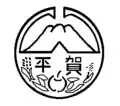 |
Unknown Emblem: 20 June 1964 |
|||
.svg.png) |
.svg.png) |
Emblem: 20 June 1964 Flag: 1 June 1977 1 January 2006 |
A red flag with an white emblem. The emblem is a horizontal arrangement of the character "Hiraka" (ヒラカ) that represents the Tsugaru Plain. It had a circular shape that surrounds the character. | ||
| Inagaki | .svg.png) |
.svg.png) |
10 March 1976 11 February 2005 |
A white flags with a gold emblem. The outside is represented by a large circle, and the three circles in the middle represent "independence, harmony, and development," and are made up of the villagers living in the village. | |
| Ikarigaseki | .svg.png) |
.svg.png) |
Emblem: May 1967 Flag: 1 June 1987 1 January 2006 |
||
| Itayanagi | .svg.png) |
Unknown Emblem: 5 January 1965 |
|||
| Iwaki | .svg.png) |
.svg.png) |
1 June 1959 27 February 2006 |
||
| Iwasaki | .svg.png) |
.svg.png) |
17 December 1971 31 March 2005 |
||
| Kamikita | .svg.png) |
 |
Unknown 1 March 2005 |
||
| Kanagi | .svg.png) |
.svg.png) |
March 1955 28 March 2005 |
||
| Kanita | .svg.png) |
.svg.png) |
10 November 1970 28 March 2005 |
||
| Kashiwa | .svg.png) |
.svg.png) |
1 April 1973 11 February 2005 |
||
| Kawauchi | .svg.png) |
.svg.png) |
18 July 1967 14 March 2005 |
||
| Kidukuri |  |
Unknown Emblem: 12 November 1980 |
|||
 |
 |
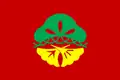
Emblem: 12 November 1980 Flag: 1 June 1987 11 February 2005 |
|||
| Kodomari | .svg.png) |
.svg.png) |
15 August 1963 28 March 2005 |
||
| Kuraishi | .svg.png) |
.svg.png) |
26 June 1965 1 July 2004 |
||
| Minmaya | .svg.png) |
.svg.png) |
1 October 1965 28 March 2005 |
||
| Momoishi | .svg.png) |
.svg.png) |
22 September 1964 1 March 2006 |
||
| Morita | .svg.png) |
.svg.png) |
8 October 1970 11 February 2005 |
||
| Nagawa | .svg.png) |
.svg.png) |
28 November 1965 1 January 2006 |
||
| Nakasato | .svg.png) |
.svg.png) |
21 August 1963 28 March 2005 |
||
| Namioka | .svg.png) |
.svg.png) |
March 1957 1 April 2005 |
||
| Nanbu | .svg.png) |
.svg.png) |
13 November 1965 1 January 2006 |
||
| Nangō | .svg.png) |
.svg.png) |
31 March 1967 31 March 2005 |
||
| Ōhata | .svg.png) |
.svg.png) |
Emblem: 1 November 1963 Flag: 1 May 1983 14 March 2005 |
||
| Onoe | .svg.png) |
.svg.png) |
March 1960 1 January 2006 |
||
| Sanbongi | .svg.png) |
.svg.png) |
1 February 1955 10 October 1956 |
||
| Shariki | .svg.png) |
.svg.png) |
30 June 1970 11 February 2005 |
||
| Shichinohe | .svg.png) |
.svg.png) |
1 October 1971 31 March 2005 |
||
| Shimoda | .svg.png) |
.svg.png) |
25 April 1937 1 March 2006 |
||
| Shiura |  |
 |
30 June 1965 28 March 2005 |
||
| Sōma | .svg.png) |
.svg.png) |
23 October 1968 27 February 2006 |
||
| Tairadate | .svg.png) |
.svg.png) |
1 April 1970 28 March 2005 |
||
| Tenmabayashi | .svg.png) |
.svg.png) |
16 September 1961 31 March 2005 |
||
| Tōhoku | .svg.png) |
.svg.png) |
14 September 1966 31 March 2005 |
||
| Tokiwa | .svg.png) |
.svg.png) |
3 May 1984 28 March 2005 |
||
| Towada | .svg.png) |
.svg.png) |
22 April 1958 1 January 2005 |
||
| Towadako | .svg.png) |
.svg.png) |
3 November 1965 1 January 2005 |
||
| Wakinosawa | .svg.png) |
.svg.png) |
22 December 1971 14 March 2005 |
Iwate Prefecture
Cities
| Municipality | Flag | Emblem | Enactment Date | Description | Ref. |
|---|---|---|---|---|---|
| Hachimantai |  |
 |
1 September 2005 | A white flag with an emblem. The sun shines brightly against a blue sky, based on the "hachi" (八) motif of Hachimantai. Beneath it are the city's three symbolic mountains (Mt. Iwate, Hachimantai, and Appi Highlands) and the fertile land spreading at their bases, representing the development of Hachimantai as a hub of exchange. | [45]: 32 |
| Hanamaki |  |
 |
1 January 2006 | A white flag with a white emblem. The emblem symbolizes the new city's vision for the future: "Ihatov Hanamaki, filled with peace and vitality, fragrant with the breeze of Hayachine." The four feather-shaped blue circles around the emblem represent the four cities and towns before the merger, the winds of Hayachine, and the development of the new city. The orange central circle represents the peace, vitality, and passion of the people who live there. | [45]: 32 |
| Ichinoseki |  |
 |
15 November 2005 | A white flag with an emblem. The emblem is based on the character "i" (い) from "Ichinoseki," symbolizing the city that is loved and familiar to the people and continues to develop. The blue represents the color of the Kitakami River, which flows through the center of the city, and its tributaries, while the green represents the color of the forests of the Ou Mountains and Kitakami mountain range, expressing the city's abundant nature. | [45]: 30 |
| Kamaishi |  |
 |
Enactment: 5 May 1937 Reenactment: 1 April 1955 |
A blue flag with an emblem. The center if the emblem represents a kama or pot (釜), and the outline represents the sea breakwater and iron, symbolizing Kamaishi as a port and iron city, as well as the promotion and development of Kamaishi. | [45]: 31 |
| Kitakami |  |
 |
11 July 1991 | A white flag with a blue and green emblem. The emblem is based on the "kita" (北) of Kitakami, and dynamically expresses the city's desire for development surrounded by water and greenery. | [45]: 31 |
| Kuji |  |
 |
6 March 2006 | [45]: 31 | |
| Miyako |  |
 |
Enactment: 20 June 1942 Inheritance: 6 June 2006 |
[45]: 32 | |
| Morioka |  |
 |
Publication: 1889 Enactment: 13 April 1906 Flag: 3 November 1968 |
[45]: 30 | |
| Ninohe |  |
 |
1 January 2006 | [45]: 32 | |
| Ōfunato |  |
 |
25 December 1952 | [45]: 31 | |
| Ōshū |  |
 |
20 February 2006 | [45]: 30 | |
| Rikuzentakata |  |
 |
1 June 1955 | [45]: 31 | |
| Takizawa |  |
 |
25 October 1965 | [45]: 31 | |
| Tōno |  |
 |
Enactment: February 1945 Reenactment: 4 February 1955 Inheritance: 1 June 2006 |
[45]: 32 |
Towns and villages
| Municipality | Flag | Emblem | Enactment Date | Description | Ref. |
|---|---|---|---|---|---|
| Fudai |  |
 |
24 January 1964 | [45]: 32 | |
| Hiraizumi |  |
 |
1 May 1965 | [45]: 32 | |
| Hirono |  |
 |
1 January 2006 | [45]: 32 | |
| Ichinohe |  |
 |
October 1958 | [45]: 30 | |
| Iwaizumi |  |
 |
26 January 1966 | [45]: 30 | |
| Iwate |  |
 |
1 June 1956 | [45]: 30 | |
| Karumai |  |
 |
1 August 1957 | [45]: 32 | |
| Kanegasaki |  |
 |
Enactment: 1955 Reenactment: 4 August 1971 |
[45]: 31 | |
| Kunohe | .svg.png) |
 |
19 June 1964 | [45]: 31 | |
| Kuzumaki |  |
 |
Publication: 4 November 1930 Enactment: 15 December 1978 |
[45]: 31 | |
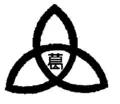 |
Original emblem. | ||||
| Noda |  |
 |
1 July 1961 | [45]: 32 | |
| Nishiwaga |  |
 |
1 November 2005 | [45]: 32 | |
| Ōtsuchi |  |
 |
10 August 1960 | [45]: 30 | |
| Shiwa |  |
 |
20 July 1955 | [45]: 31 | |
| Shizukuishi |  |
 |
Enactment: September 1958 Reenactment: 1 April 1965 |
[45]: 31 | |
| Sumita |  |
 |
1 October 1956 | [45]: 31 | |
| Tanohata |  |
 |
11 December 1965 | [45]: 32 | |
| Yahaba |  |
 |
15 September 1957 | [45]: 33 | |
| Yamada |  |
 |
2 November 1970 | [45]: 32 |
Historical
| Municipality | Flag | Emblem | Enactment Date Abolition Date |
Description | Ref. |
|---|---|---|---|---|---|
| Ashiro | .svg.png) |
.svg.png) |
17 May 1960 1 September 2005 |
[95] | |
| Daitō | .svg.png) |
.svg.png) |
3 November 1959 20 September 2005 |
[70] | |
| Eduriko | .svg.png) |
.svg.png) |
22 December 1966 1 April 1991 |
[98] | |
| Esashi | .svg.png) |
.svg.png) |
7 June 1955 20 February 2006 |
[99] | |
| Fujisawa | .jpg) |
.jpg) |
16 November 1958 26 September 2011 |
[45]: 32 | |
| Fukuoka |  |
 |
October 1956 1 April 1972 |
||
| Hanaizumi | .svg.png) |
.svg.png) |
30 September 1961 20 September 2005 |
[57]: 233 | |
| Hanamaki | .svg.png) |
.svg.png) |
1 April 1954 1 January 2006 |
[103] | |
| Higashiyama | .svg.png) |
.svg.png) |
6 June 1963 20 September 2005 |
[57]: 243 | |
| Ichinoseki |  |
.svg.png) |
29 July 1955 20 September 2005 |
[52]: 58 | |
| Isawa |  |
.jpg) |
1 April 1967 20 February 2006 |
[99][70] | |
| Ishidoriya | .svg.png) |
.svg.png) |
16 November 1958 1 January 2006 |
[103] | |
| Jōbōji | .svg.png) |
.svg.png) |
April 1961 1 January 2006 |
[105] | |
| Kawai | .svg.png) |
.svg.png) |
15 November 1964 1 January 2010 |
[45]: 31 | |
| Kawasaki | .svg.png) |
.svg.png) |
30 September 1961 20 September 2005 |
[57]: 247 | |
| Kitakami | .svg.png) |
.svg.png) |
20 May 1954 1 April 1991 |
[52]: 56 | |
| Koromogawa | .svg.png) |
.svg.png) |
31 December 1965 20 February 2006 |
[57]: 231 | |
| Kuji | .svg.png) |
.svg.png) |
6 December 1954 6 March 2006 |
[108] | |
| Maesawa | .svg.png) |
.svg.png) |
1 April 1957 20 February 2006 |
[99] | |
| Matsuo | .svg.png) |
.svg.png) |
1 November 1963 1 September 2005 |
[95] | |
| Miyamori | .svg.png) |
 |
11 February 1955 1 October 2005 |
[70] | |
| Mizusawa | .svg.png) |
.svg.png) |
Emblem: 1 April 1954 Flag: December 1967 20 February 2006 |
[57]: 165 | |
| Murone | .svg.png) |
.svg.png) |
5 September 1958 20 September 2005 |
[57]: 245 | |
| Niisato | .svg.png) |
.svg.png) |
1 May 1961 6 June 2005 |
[70] | |
| Ninohe | .svg.png) |
.svg.png) |
1 November 1972 1 January 2006 |
[70] | |
| Nishine | .svg.png) |
.svg.png) |
1 November 1961 1 September 2005 |
[70] | |
| Ōhasama | .svg.png) |
.svg.png) |
1 April 1958 1 January 2006 |
[103] | |
| Ōno | .svg.png) |
.svg.png) |
Publication: July 1960 Enactment: 5 December 1977 1 January 2006 |
[70] | |
| Sanriku | .svg.png) |
.svg.png) |
4 October 1958 15 November 2001 |
[114] | |
| Sawauchi | .svg.png) |
.svg.png) |
1 November 1957 1 November 2005 |
[115] | |
| Senmaya | .svg.png) |
.svg.png) |
June 1960 20 September 2005 |
[70] | |
| Tamayama | .svg.png) |
 |
Unknown 1 July 1974 |
||
.svg.png) |
 |
1 July 1974 10 January 2006 |
[117] | ||
| Taneichi | .svg.png) |
.svg.png) |
1 February 1973 1 January 2006 |
[57]: 271 | |
| Tarō | .svg.png) |
.svg.png) |
15 May 1964 6 June 2005 |
[58] | |
| Tonan |  |
 |
2 June 1957 1 April 1992 |
[57]: 215 | |
| Tōwa | .svg.png) |
 |
15 August 1959 1 January 2006 |
[70] | |
| Waga |  |
 |
3 January 1956 1 April 1991 |
[120] | |
| Yamagata |  |
.svg.png) |
1 January 1961 6 March 2006 |
[108] | |
| Yuda |  |
 |
1 August 1964 1 November 2005 |
[115] |
Miyagi Prefecture
Cities













Towns and villages




















Akita Prefecture
Cities












Towns and villages










Yamagata Prefecture
Cities












Towns and villages




















Fukushima Prefecture
Cities










Towns and villages
.svg.png)









































Historical
-
.svg.png) Aizutakada (1965–2005)
Aizutakada (1965–2005) -
.svg.png)
-

-
 Tanagura (1955–1973)
References
- ^ "市章(平成17年4月27日制定)". Aomori official website (in Japanese).
- ^ "青森市旗の制定". Aomori Code of Ordinances and Guidelines (in Japanese).
- ^ "五所川原市の市章". Goshogawara official website (in Japanese).
- ^ "八戸市のシンボル・市民憲章・市民の歌". Hachinohe.
- ^ "市章". Hirakawa.
- ^ "市章・市の花・市の木". Hirosaki.
- ^ "市章・市民憲章". Kuroishi.
- ^ "三沢市のシンボル・市民のちかい・市の歌・みさわ子どもしあわせ憲章". Misawa.
- ^ "市章". Mutsu.
- ^ "十和田市の市章". Towada.
- ^ "つがる市の市章". Tsugaru.
- ^ "鰺ヶ沢町の概要". Ajigasawa official website (in Japanese).
- ^ "鰺ヶ沢町の町章及び町旗". Ajigasawa Code of Ordinances and Guidelines (in Japanese).
- ^ "町章". Fujisaki official website (in Japanese).
- ^ "地元・藤崎町成人式". Taro Kimura (in Japanese). Archived from the original on 26 January 2012.
- ^ "町の概要". Fukaura official website (in Japanese).
- ^ "深浦町の町旗". Fukaura Code of Ordinances and Guidelines (in Japanese).
- ^ "五戸町の概要". Gonohe official website (in Japanese).
- ^ "五戸町(五戸町・倉石村合併協議会)". Aomori Prefecture (in Japanese).
- ^ "シンボル". Hashikami.
- ^ "東通村の村章及び村旗". Higashidoori.
- ^ "町章の由来". Imabetsu.
- ^ "村のプロフィール". Inakadate.
- ^ "『板柳町史』" (PDF). Itayanagi.
- ^ "風間浦村プロフィール". Kazamaura.
- ^ "町章". Nakadomari.
- ^ "町章". Nanbu.
- ^ "町の概要". Noheji.
- ^ "おいらせ町町章のデザインコンセプト". Oirase.
- ^ "大間町紹介". Ōma.
- ^ "村民憲章". Rokkasho.
- ^ "町のシンボル". Rokunohe.
- ^ "基本情報". Sai.
- ^ "町の紹介". Sannohe.
- ^ "町のシンボル". Shichinohe.
- ^ "新郷村の概要". Shingō.
- ^ "外ヶ浜町町章". Sotogahama.
- ^ "町章・町の花・町の木・町の鳥" (PDF). Takko.
- ^ "町のシンボル". Tōhoku.
- ^ "町の概要". Tsuruta.
- ^ "シンボル". Yokohama.
- ^ "蓬田村村章". Yomogita.
- ^ Fujisaki Town Magazine Volume 3 (in Japanese). Fujisaki Government.
- ^ "村章/村民憲章/ 花・木・鳥". Fukuchi.
- ^ a b c d e f g h i j k l m n o p q r s t u v w x y z aa ab ac ad ae af ag ah ai 小学館辞典編集部編 (15 December 2006). 図典 日本の市町村章 (in Japanese). 小学館. ISBN 978-4095263113.
- ^ "八幡平市市章". Hachimantai Code of Ordinances and Guidelines (in Japanese). 1 September 2005.
- ^ "八幡平市市章" (PDF). Hachimantai official website (in Japanese).
- ^ "花巻市の市章". Hanamaki Code of Ordinances and Guidelines (in Japanese). 1 January 2006.
- ^ "花巻市の市旗". Hanamaki Code of Ordinances and Guidelines (in Japanese). 1 January 2006.
- ^ "一関市章の制定について". Ichinoseki Code of Ordinances and Guidelines (in Japanese). 15 November 2005.
- ^ "総合>一関市の紹介>市章". Ichinoseki official website (in Japanese). 12 August 2005.
- ^ a b c d 望月政治 (7 July 1973). 都章・道章・府章・県章・市章のすべて (in Japanese). 日本出版貿易.
- ^ "市章". Kamaishi Code of Ordinances and Guidelines (in Japanese). 5 May 1937.
- ^ "釜石市のシンボル・市民歌". Kamaishi (in Japanese).
- ^ "北上市市章". Kitakami Code of Ordinances and Guidelines (in Japanese). 11 July 1991.
- ^ "久慈市市章". Kuji Code of Ordinances and Guidelines (in Japanese). 6 March 2006.
- ^ a b c d e f g h i j k l m n o p NHK情報ネットワーク (1 April 1992). NHKふるさとデータブック (in Japanese). Vol. 2 (東日本編 東北 青森・岩手・宮城・秋田・山形・福島). 日本放送出版協会. ISBN 978-4140091791.
- ^ a b c "慣行の取り扱い" (PDF) (in Japanese). 宮古市・田老町・新里村合併協議会. 9 April 2005.
- ^ "宮古市市章". Miyako official website (in Japanese).
- ^ "盛岡市紋章". Morioka Code of Ordinances and Guidelines (in Japanese). 1889.
- ^ "市章と市のシンボル". Morioka official website (in Japanese).
- ^ "盛岡市旗の制定". Morioka Code of Ordinances and Guidelines (in Japanese). 3 November 1968.
- ^ "二戸市の市章". Ninohe Code of Ordinances and Guidelines (in Japanese). 1 January 2006.
- ^ "大船渡市紋章制定の件". Ōfunato Code of Ordinances and Guidelines (in Japanese). 25 December 1952.
- ^ "奥州市市勢要覧2020" (PDF) (in Japanese). Ōshū Government.
- ^ "陸前高田市市章". Rikuzentakata Code of Ordinances and Guidelines (in Japanese). 1 June 1955.
- ^ "滝沢市のシンボル". Takizawa official website (in Japanese).
- ^ "滝沢市章". 滝沢市例規集 (in Japanese). 25 October 1965.
- ^ a b "慣行の取り扱い" (PDF) (in Japanese). 遠野市・宮守村合併協議会.
- ^ a b c d e f g h i j k l m n o p q r s t 岩手県 (30 March 1957). 岩手県町村合併誌 (in Japanese). 岩手県総務部地方課. doi:10.11501/3027606.
- ^ "町の概要". Hiraizumi official website (in Japanese).
- ^ "洋野町町章". Hirono Code of Ordinances and Guidelines (in Japanese). 1 January 2006.
- ^ "岩泉町未来づくりプラン" (PDF) (in Japanese). Iwaizumi Government. March 2020.
- ^ "岩手町章". Iwate Code of Ordinances and Guidelines (in Japanese). 1 June 1956.
- ^ "軽米町町章". Karumai Code of Ordinances and Guidelines (in Japanese). 1 August 1957.
- ^ "町の概要". Kanegasaki official website (in Japanese). 16 November 2017.
- ^ "金ケ崎町章". Kanegasaki Code of Ordinances and Guidelines (in Japanese). 4 August 1971.
- ^ "町章・町のシンボル". Kuzumaki official website (in Japanese). 22 October 2015.
- ^ "葛巻町町章". Kuzumaki Code of Ordinances and Guidelines (in Japanese). 15 December 1978.
- ^ "野田村村章". Noda Code of Ordinances and Guidelines (in Japanese). 1 July 1961.
- ^ "町章". Nishiwaga official website (in Japanese). 8 May 2020.
- ^ "西和賀町章". Nishiwaga Code of Ordinances and Guidelines (in Japanese). 1 November 2005.
- ^ "西和賀町町旗". Nishiwaga Code of Ordinances and Guidelines (in Japanese). 1 November 2005.
- ^ "大槌町章制定について". Ōtsuchi Code of Ordinances and Guidelines (in Japanese). 10 August 1960.
- ^ "町の概要". Shiwa official website (in Japanese).
- ^ "紫波町町章". Shiwa Code of Ordinances and Guidelines (in Japanese). 20 July 1955.
- ^ "雫石町町章". Shizukuishi Code of Ordinances and Guidelines (in Japanese). 1 April 1965.
- ^ "住田町50年の歩み" (PDF) (in Japanese). Sumita Government. 14 February 2015.
- ^ "住田町町章". Sumita Code of Ordinances and Guidelines (in Japanese). October 1956.
- ^ "村章・村のシンボル". Tanohata official website (in Japanese). 31 July 2015.
- ^ "田野畑村紋章". Tanohata Code of Ordinances and Guidelines (in Japanese). 11 December 1965.
- ^ "矢巾町町勢要覧" (PDF) (in Japanese). Yahaba Government. April 2022.
- ^ "矢巾町町章". Yahaba Code of Ordinances and Guidelines (in Japanese). 15 September 1957.
- ^ "山田町章の制定". Yamada Code of Ordinances and Guidelines (in Japanese). 8 September 2006.
- ^ a b c "慣行の取扱いについて" (PDF) (in Japanese). 西根町・松尾村・安代町合併協議会. 14 July 2004.
- ^ "大東町の概要". Daitō official website (in Japanese). Archived from the original on 2004-06-20.
- ^ "大東町徽章", Daitō Code of Ordinances and Guidelines (in Japanese), 3 November 1959
- ^ えづりこ 村生誕100周年記念誌 (in Japanese), Eduriko Government, 10 November 1989
- ^ a b c d e "新市の市章について" (PDF) (in Japanese). 水沢市・江刺市・前沢町・胆沢町・衣川村合併協議会.
- ^ "江刺のシンボル". Esashi official website (in Japanese).
- ^ "藤沢町の概要". Fujisawa official website (in Japanese). Archived from the original on 2003-10-08.
- ^ a b c d "慣行の取り扱い" (PDF). 協議事項調整内容 (in Japanese). 一関地方市町村合併協議会. Archived from the original (PDF) on 2004-09-23.
- ^ a b c d "慣行の取り扱いについて" (PDF) (in Japanese). 花巻地方合併協議会.
- ^ "胆沢町町章を定める告示". Isawa Code of Ordinances and Guidelines (in Japanese). 1 April 1967.
- ^ a b "慣行の取扱いについて" (PDF) (in Japanese). 二戸市・浄法寺町合併協議会.
- ^ "川井村村章", Kawai Code of Ordinances and Guidelines (in Japanese), 15 November 1964
- ^ 中川幸也 (11 October 1987). 都市の旗と紋章 (in Japanese). 中川ケミカル. p. 19.
- ^ a b "慣行の取扱いについて" (PDF) (in Japanese). 久慈市・山形村合併協議会.
- ^ "まえさわの紹介". 前沢町 (in Japanese). 10 October 2010.
- ^ "室根村村章", Murone Code of Ordinances and Guidelines (in Japanese), 5 September 1958
- ^ 大野村勢要覧1973 口絵 (in Japanese)
- ^ "三陸町章の件", Ōno Code of Ordinances and Guidelines (in Japanese), 1 November 1957
- ^ a b "慣行の取扱いについて" (PDF) (in Japanese). 種市町・大野村合併協議会.
- ^ "大野村村章", Sanriku Code of Ordinances and Guidelines (in Japanese), 5 December 1977
- ^ a b " "慣行の取扱いについて" (in Japanese). 湯田町・沢内村合併協議会.
- ^ "町のシンボル". Senmaya official website (in Japanese).
- ^ "慣行の取り扱い" (PDF) (in Japanese). 盛岡市・玉山村合併協議会.
- ^ "都南村村章", Tonan Code of Ordinances and Guidelines (in Japanese), 2 June 1957
- ^ "都南村村勢要覧", Tonan Government (in Japanese), p. 1
- ^ "和賀町勢要覧", Waga Government (in Japanese), p. 1
| Nation |  | |
|---|---|---|
| Prefectures |
| |
| Municipalities | ||
 Category Category | ||